

Legion Was Here Visual Beginner Walkthrough
Follow the Legion Was Here investigation and infiltration loop with scene artwork, practical checkpoints and a clear method for reviewing failed attempts.
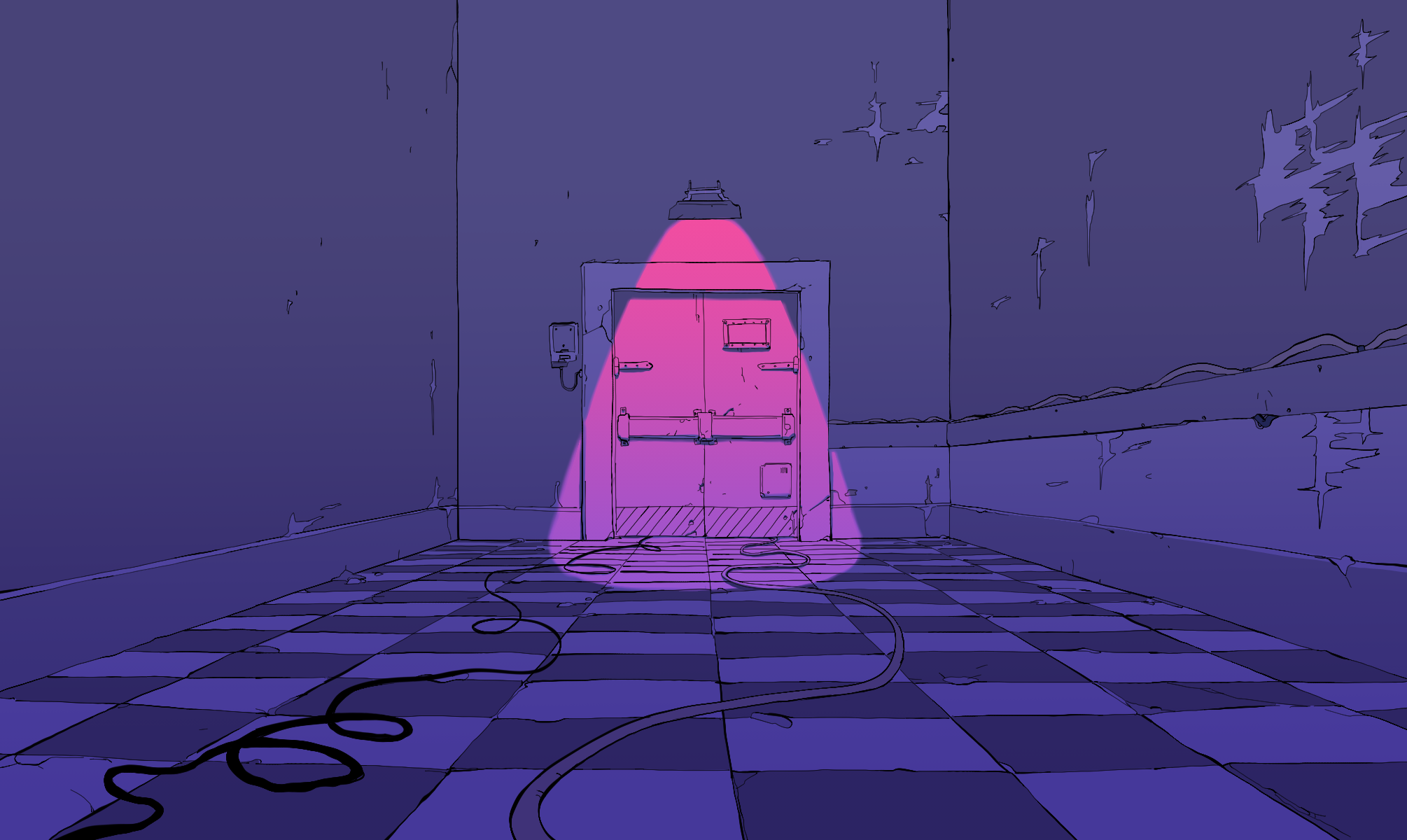
Use this route on your first mission, then repeat it whenever a new dossier arrives. The scene artwork illustrates the game's stages; it is not a captured play session or a click-by-click solution.
Your task is to build both a face and a believable personal history. Treat those as two connected checks, and do not leave one until the conversation has already started.
1. Read the assignment
Identify the client, the person to impersonate and the objective. Note who expects to meet you and what they already know about that person. A wedding and an undercover criminal meeting call for very different kinds of preparation.
Ready to continue when: You can describe the assignment in one sentence without confusing the client with the assumed identity.

2. Build an evidence trail
Move every document into view and inspect its reverse. Separate appearance clues from biography, then connect dates, signatures and photographs. Keep uncertain conclusions marked as uncertain until another source supports them.
Ready to continue when: Each important claim has a document attached to it, and you have checked the backs of the documents.
Show the tutorial document · minor spoilers
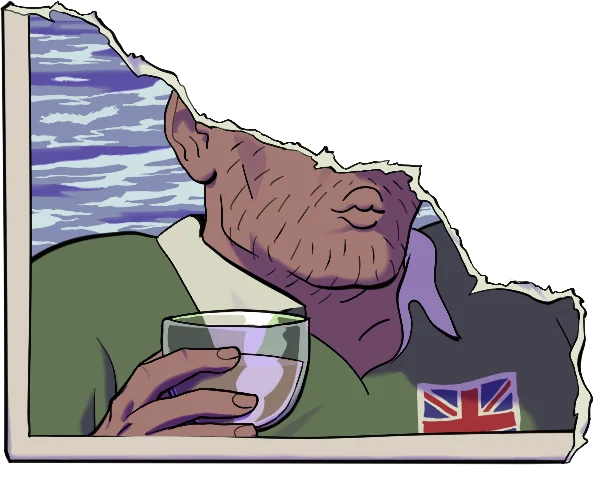
3. Reconstruct the face
Compare the visible outline before refining small details. Review age, hair, colors, eyes, nose, mouth, ears, eyebrows and facial hair. Account for older photographs and costumes when two sources appear to disagree.
Ready to continue when: You can explain each choice from the dossier rather than from a general feeling that the face looks plausible.
4. Infiltrate, then review
Enter the conversation with compact notes. Listen for the question actually being asked: a place, a date, a person or a shared memory. A familiar-looking face does not make contradictory biographical answers harmless.
Ready to continue when: After a retry, you can identify which appearance or identity assumption needs another look instead of changing everything at once.

Turn a failed attempt into a useful correction
Use the game's feedback to distinguish appearance problems from conversation problems. Reopen the relevant evidence and change one assumption at a time. This makes it easier to see whether the correction was relevant.
The visual atlas helps with shape comparisons; the character board helps with roles; the dossier planner holds your own facts. If you want the narrative twists and chapter outcomes, open the separate story guide deliberately.
Sources, method and limits
Official game analysis reviewed on October 15, 2026 supplies the interface terms, appearance labels, controls and identifying artwork. Current release facts and the game’s stated mechanics come from the official Steam page. The optional story guide summarizes the narrative and evidence without reproducing the dialogue script. Visual references illustrate the guides; they do not replace the game.